
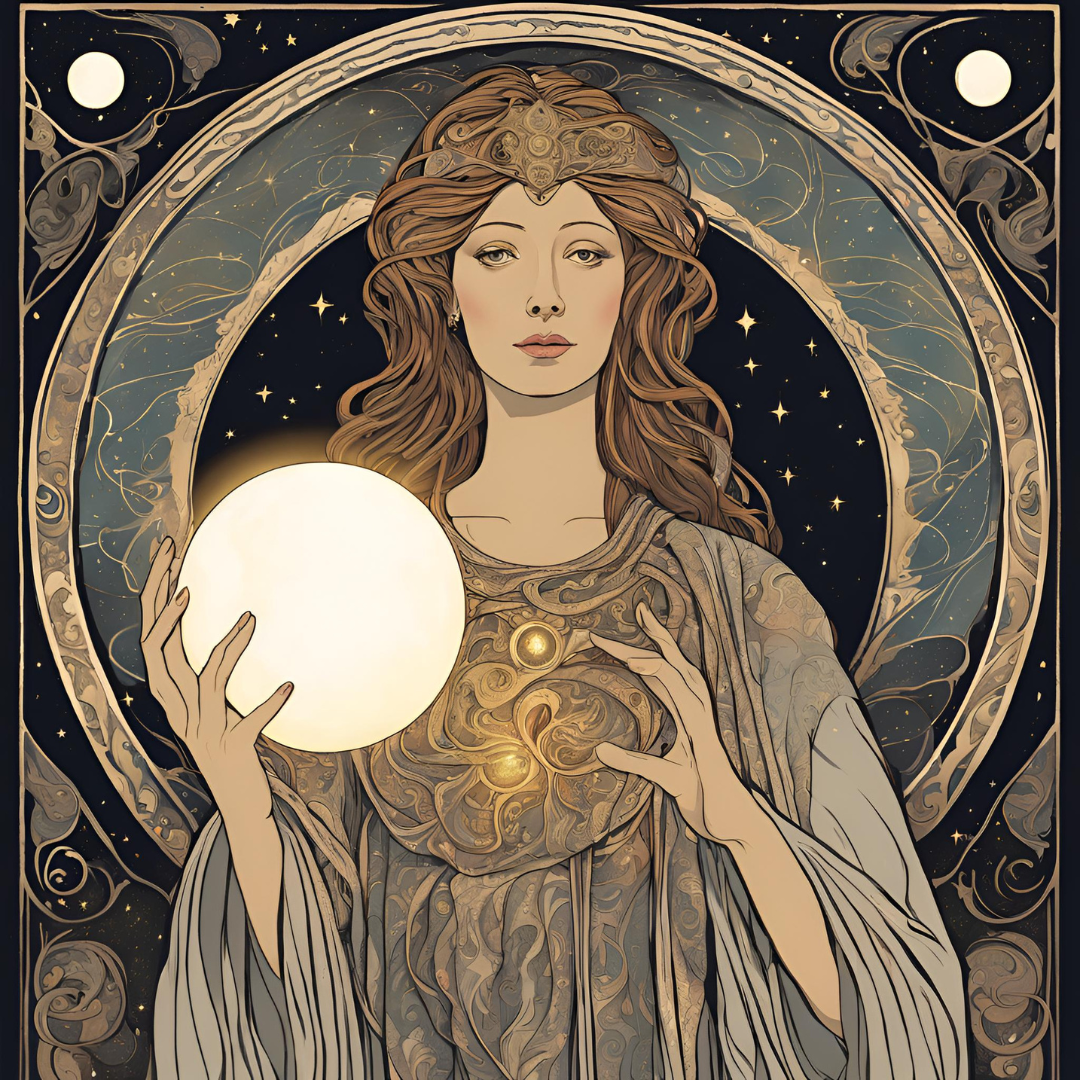
Tarot cards have long fascinated people around the world. Some view them as mysterious, spiritual, or even dangerous—but are tarot cards actually evil? The truth is far simpler: tarot is a tool for reflection, guidance, and understanding, and its power depends entirely on the intention of the reader.
This guide breaks down what tarot really is, how it works, and why it is often misunderstood.
What Are Tarot Cards?
A standard tarot deck contains 78 cards, each carrying unique symbolism, imagery, and meaning.
1. Major Arcana – 22 Cards
These represent significant life events, spiritual lessons, and deeper transformations.
2. Minor Arcana – 56 Cards
These focus on daily experiences, emotions, challenges, and actions.
Each card tells a story and acts as a mirror to your subconscious mind, helping you reflect on your path. The imagery is rich with historical symbolism influenced by periods like the Renaissance. For deeper understanding of symbolism, the Library of Congress provides great context on historical card games and imagery:
🔗 https://www.loc.gov
The Power of Intention in Tarot
As intuitive card reader and astrologer Lauren McBride explains:
“Your cards take on the intentions and perspective of the user.”
This means:
| Card Aspect | Meaning |
|---|---|
| Intention | The mindset and energy of the reader |
| Symbolism | Represents hidden insights within the subconscious |
| User’s Perspective | Shapes the interpretation and outcome |
The cards themselves hold no power—the interpretation comes from the reader’s intuition and mindset.
Are Tarot Cards Safe to Use?
Yes. Tarot cards are safe because:
1. They Do Not Carry Harmful Energies
Tarot cards cannot harm you physically, mentally, or spiritually.
2. They Reflect Your Inner Emotions
They mirror your current thoughts and energy, helping you gain clarity.
3. The Responsibility Lies With the Reader
If someone uses tarot with malintent, the issue lies with the individual—not the deck.
| Potential Concern | Reality |
|---|---|
| Harmful Effects | Tarot cannot cause harm |
| Emotional State | May influence interpretation |
| Reader’s Intention | Determines the guidance you receive |
Is Tarot Connected to Witchcraft?
Tarot and witchcraft are often grouped together, but they are separate practices.
Tarot
- Used for self-reflection and insight
- Helps interpret inner wisdom
- Does not require rituals or spellwork
Witchcraft
- Involves rituals, spells, and diverse spiritual practices
- May use tarot, but it is not mandatory
| Aspect | Tarot | Witchcraft |
|---|---|---|
| Purpose | Reflection & divination | Rituals & spellwork |
| Usage | Personal introspection | Varies widely |
| Connection to Intuition | Strong | Depends on tradition |
Potential Risks of Tarot (Myths vs. Reality)
1. Untrustworthy Readers
Some readers may exaggerate or mislead; however, the cards themselves cannot impose curses or negative energy.
2. Spiritual Communication
Many readers use tarot to connect with spiritual guides or ancestors. Tarot serves as a symbolic translator, not a portal for harmful forces.
McBride states:
“Be it God, Spirit, or the Universe—divination is a way to hear them speaking to us.”
| Consideration | Tarot Use |
|---|---|
| Trustworthiness | Ensures a positive reading |
| Reader’s Intent | Shapes interpretation |
| Spiritual Connection | Enhances meaning |
Common Misconceptions About Tarot
Myth 1: Tarot is Dark Magic
False. Tarot is a neutral tool used to understand energies and emotions.
Myth 2: Some Cards Are ‘Bad’
Even the Death, Devil, or Tower cards symbolize change, transformation, or release—not doom.
Myth 3: Tarot Predicts the Future
Tarot does not fix your destiny.
It reads:
- Current energy
- Possible directions
- Influences around you
Your free will shapes the outcome.
| Misconception | Reality |
|---|---|
| Dark Magic | Tarot is neutral and non-harmful |
| Bad Cards | All cards have positive meaning |
| Predicting the Future | Tarot shows possibilities, not fixed fate |
FAQs About Tarot
How Did Tarot Originate?
Tarot began as the Italian card game tarocchi in the late Medieval era. Over time, Renaissance symbolism, Hermeticism, and alchemy influenced its imagery. Despite assumptions, tarot emerged from a largely Christian cultural context, not paganism.
Why Do Some Religions View Tarot Negatively?
Abrahamic religions often reject divination due to historical associations with forbidden practices. This led to misconceptions that tarot is inherently evil—though its origins are not demonic or harmful.
Is Tarot Connected to Paganism?
Tarot reflects universal archetypes, spiritual journeys, and symbolic storytelling. While some pagans use tarot, the deck itself is not tied to any specific religion.
Is Tarot Compatible With Christianity?
It can be. Many Christian tarot readers use the cards for:
- Reflection
- Prayer
- Personal insight
Tarot is not inherently tied to non-Christian belief systems.
Why Tarot Is Often Misunderstood
Confusion arises because:
- It uses symbolic imagery
- It’s associated with fortune-telling
- It’s linked to occult practices in pop culture
In reality, tarot is a psychological and spiritual tool, not an instrument of dark forces.
Conclusion: Are Tarot Cards Evil?
No. Tarot cards are not evil.
They are simply tools—much like journaling, meditation, or therapy—that help you explore your thoughts, emotions, and direction in life.
Their power does not come from magic or spirits but from the intention, mindset, and intuition of the reader.
Tarot is safe, insightful, and deeply personal.
The only influence it has is the meaning you assign to it.